Need Help Now? Call (912) 297-1532
24 Hour Emergency Towing Service | Roadside Assistance
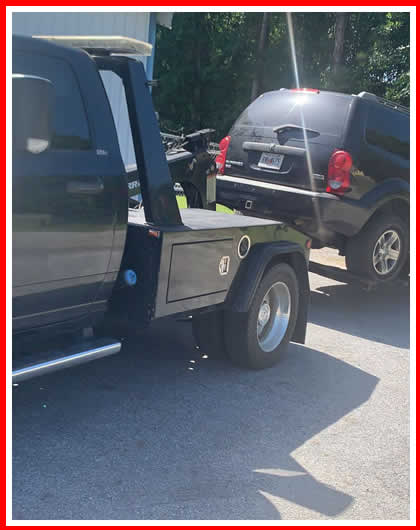
Light duty towing usually applies to vehicles that weigh under 10,000 pounds and can be safely moved with standard tow trucks like wheel-lift or flatbed units. These are the everyday vehicles most people drive. This includes:
If your vehicle fits into one of these groups, it almost always qualifies as light duty towing. The goal is to move it safely without causing more damage and without needing oversized equipment.
If your vehicle is larger than this, you may need Medium Duty Towing or Heavy Duty Towing instead.
Most light duty tows happen for simple, everyday reasons. A lot of them start as roadside calls that turn into a tow when the vehicle just won’t cooperate.
Breakdowns
Engines fail without warning. Transmissions slip. Cooling systems overheat in the coastal heat. When the vehicle won’t move under its own power, light duty towing gets it to a shop or back home.
Accidents & Fender-Benders
Even small crashes can make a car unsafe to drive. Bent wheels, leaking fluids, or damaged suspension often mean the vehicle needs to be towed after a wreck. Learn more on our Accident Recovery page.
Flat Tires, Dead Batteries & Lockouts
Sometimes a roadside issue can’t be fixed safely on the spot. A seized lug nut, a ruined tire, or electrical failure after a jumpstart attempt may lead to a tow. For roadside help, see our Roadside Assistance page.
Vehicles Stuck in Driveways or Parking Lots
Cars get stuck in soft yards, muddy shoulders, deep sand, and drainage ditches all the time here. Light duty winching can often recover them. If it’s more involved, our Winching & Off-Road Recovery service may be needed.
Light duty towing usually uses one of two methods depending on the vehicle and situation.
Flatbed Towing
Flatbeds carry the entire vehicle off the ground. This method is often used for:
Wheel-Lift Towing
Wheel-lift towing lifts one end of the vehicle while the other rolls. This works well for:
We choose the method that keeps the vehicle stable and avoids extra damage.
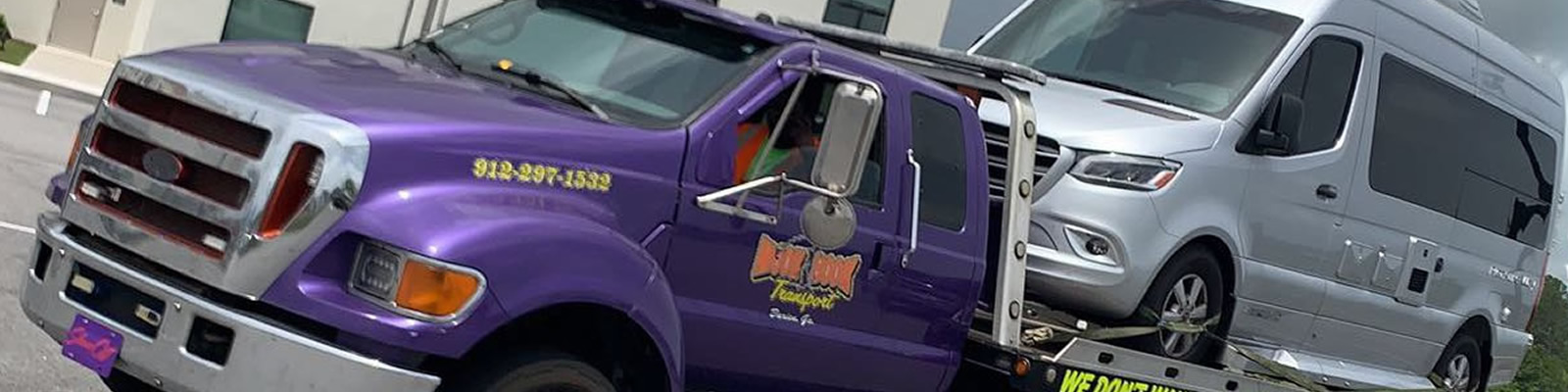
We provide light duty towing throughout:
We’ve towed cars from grocery store lots, boat ramps, schools, job sites, apartment complexes, and remote stretches of road where help doesn’t pass by often. Coastal driving brings its own challenges—soft shoulders, high heat, heavy traffic during tourist season, and sudden storms that leave drivers stuck fast.
We once towed a commuter’s car that overheated in stop-and-go traffic near a bridge during peak summer heat. Steam was pouring out, and the driver had no idea what was happening under the hood—just knew something was very wrong. A quick tow saved the engine from serious damage.
Another call came after a late-night lockout turned into a dead battery from inside lights left on. The jumpstart wouldn’t hold, and the vehicle needed to be towed for electrical repairs. These are everyday stories in light duty towing—small moments that suddenly matter a lot when you’re stuck.
Sometimes a call starts as light duty and turns into more. A vehicle might slide deeper into mud than expected. A small crash might hide suspension damage. Cargo might shift in a way that prevents safe movement. When that happens, we step up the recovery process using winching, load swapping, or heavier towing equipment as needed. You’re never left guessing what comes next.
Seasonal changes play a big role in light duty towing here:
Summer Heat
Dead batteries, overheating engines, and tire blowouts are common during hot months.
Storm Season
Heavy rain floods low areas and softens shoulders, leading to stuck vehicles and roadside tows.
Winter Cold Snaps
Even short cold spells lead to battery failures and fuel system issues.
If you drive a standard car, SUV, van, or small pickup, it almost always falls under light duty towing.
Yes. Light duty towing is commonly used after fender-benders and small collisions.
Yes. Wheel-lift equipment works well in narrow lots and crowded areas.
Light duty winching is often used, or we may shift to off-road recovery if needed.
Yes. We tow to homes, shops, dealerships, storage yards, or other approved locations.
Hook & Book Transport and Towing works throughout all of McIntosh and Glynn Counties. Below are some areas we've towed in recently; however, not all areas are listed.
When your car won’t start, your SUV is sitting damaged after a crash, or your pickup is stuck in a bad spot, light duty towing gets your day moving again. Hook & Book Transport serves Darien along with all of McIntosh and Glynn County for everyday vehicle towing needs.
Call (912) 297-1532 to reach Hook & Book Transport and get light duty towing on the way.
Service Area Map
© Hook & Book Transport. All Rights Reserved. Web Design