Need Help Now? Call (912) 297-1532
24 Hour Emergency Towing Service | Roadside Assistance
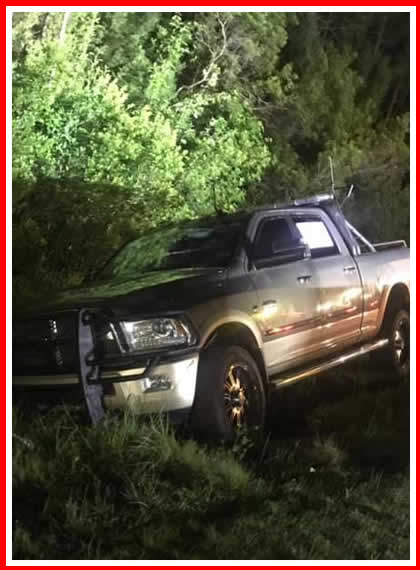
Winching uses controlled pulling to recover vehicles that are stuck off pavement or in unstable terrain. Off-road recovery refers to any situation where a vehicle leaves solid roadway surfaces and can’t return without help.
Wet pavement, tight curves, and shallow shoulders pull cars and trucks into ditches after rain. Winching allows the vehicle to be brought back to the road without dragging it sideways.
After storms, yards, construction sites, and shoulders become soft traps. Even four-wheel drive vehicles bury themselves quickly once weight settles into wet soil.
Sand near boat ramps, marinas, and shoreline areas often looks firm until tires dig in. Recovery pulls are common in these areas.
Vehicles slide off sloped driveways and yard edges more often than most people expect. Controlled winching helps avoid tearing up property during recovery.
Winching calls come in for all kinds of reasons, many of them caused by sudden changes in road surface or weather.
Slide-Offs After Rain
Rain reduces traction and weakens shoulders quickly, leading to slide-offs at curves and intersections.
Stuck in Construction Zones
Fresh fill dirt, uneven ground, and hidden soft spots trap trucks during active jobs.
Boat Ramp & Marina Incidents
Wet concrete, algae buildup, and shifting sand make ramps unpredictable for towing vehicles and boat trailers.
Turnarounds on Narrow Roads
Drivers back into soft shoulders while turning around on rural and residential roads.
Winching and off-road recovery is used for many types of vehicles, including:
Smaller vehicles often return to the road after recovery and may only need Light Duty Towing. Larger work trucks may require Medium Duty Towing or Heavy Duty Towing after the pull.
Winching is used to pull a vehicle back to stable ground. Towing is the transport of a vehicle once it can roll freely or be safely loaded. Many calls involve both steps. A vehicle may need winching first and towing second.
For straight transport after recovery, see our Towing Service page. For crash-related recoveries, visit our Accident Recovery page.
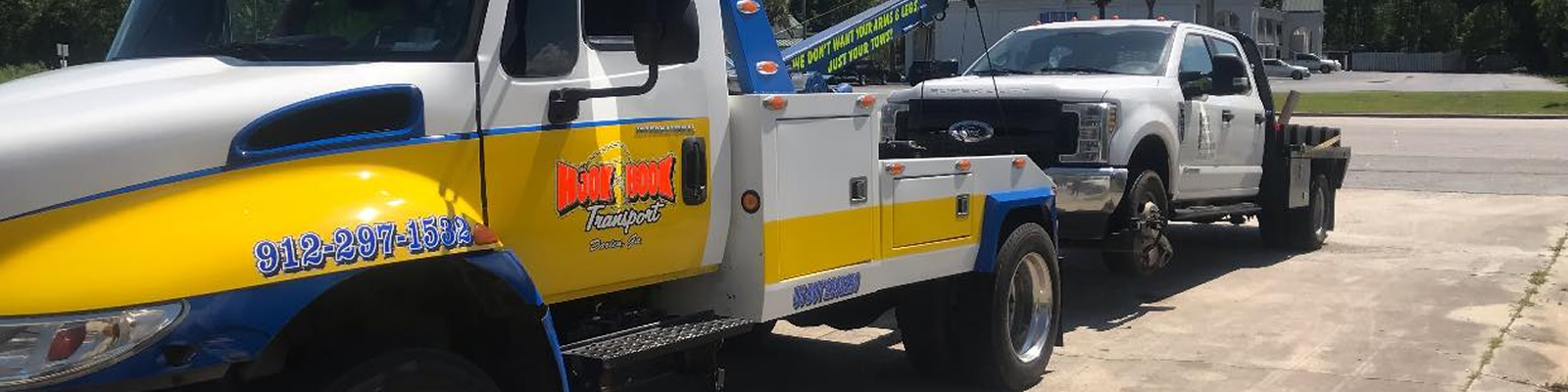
We recover vehicles from:
From tight residential streets in Broadfield to open county roads and coastal access points, recovery plans change based on space, ground stability, and traffic flow.
Summer Storms
Heavy rain floods low ground and softens dirt quickly. Vehicles that leave pavement rarely stop sinking on their own.
Hurricane & Tropical Weather
Storm surge, wind-blown debris, and washed-out shoulders create large recovery zones.
Winter Cold Snaps
Cold hardens soil unevenly, hiding weak spots beneath the surface.
Yes. Controlled winching is used to recover vehicles from deep ditches and steep embankments.
Every effort is made to avoid damage, using proper anchor points and controlled tension.
Yes. Medium and heavy trucks can be winched using the right recovery methods.
Upright recovery may be required first through our Accident Recovery process.
Sometimes. If the vehicle can’t be driven safely after recovery, towing is arranged.
We tow throughout McIntosh County and Glynn County and can move vehicles to nearby cities, homes, shops, and yards as needed.
When spinning tires aren’t getting you anywhere and your vehicle is buried in mud, sand, or stuck off the road in Broadfield, winching is the way back to solid ground. Hook & Book Transport provides winching and off-road recovery across McIntosh and Glynn County for vehicles of all sizes.
Call (912) 297-1532 to reach Hook & Book Transport for winching and off-road recovery in Broadfield.
Service Area Map
© Hook & Book Transport. All Rights Reserved. Web Design